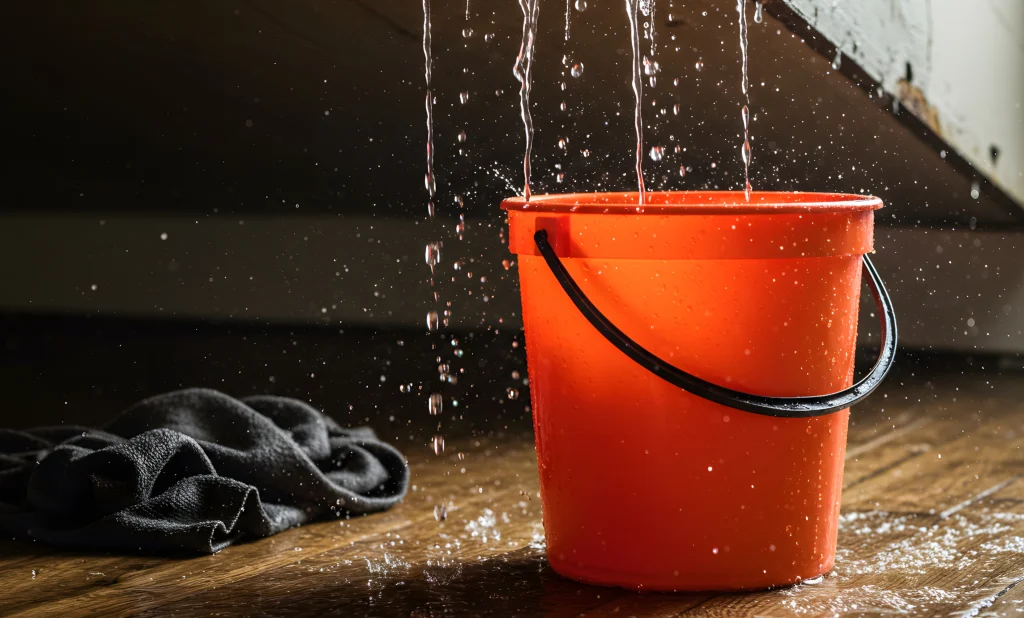
Many homeowners ask what is water damage restoration after experiencing a leak, burst pipe, flood, or appliance overflow. Water can spread quickly through flooring, walls, insulation, and personal belongings, creating serious damage in a short amount of time. If not handled properly, moisture can lead to structural weakening, mold growth, unpleasant odors, and costly repairs.
Water damage restoration is the professional process of removing water, drying affected areas, cleaning contaminated materials, and restoring the home to a safe, livable condition. Quick action is essential because the longer water sits, the more damage it can cause.
This water damage restoration guide explains common causes of water damage, why immediate response matters, what the restoration process involves, and what homeowners can expect during recovery.
Water damage restoration is a specialized service that helps homes recover after water intrusion. It involves more than simply mopping up visible water. Moisture often hides behind walls, under flooring, inside cabinets, and within structural materials.
Professional restoration teams use equipment and proven methods to:
- Remove standing water
- Dry wet materials thoroughly
- Prevent mold growth
- Sanitize affected areas
- Repair damaged structures
- Restore the property safely
Whether the source is a small leak or a major flood, the goal is to reduce damage and return the home to pre-loss condition as efficiently as possible.
Common Causes of Water Damage
Understanding the causes of water damage can help homeowners respond faster and plan prevention strategies.
1. Burst Pipes
Frozen, corroded, or aging pipes can crack and release large amounts of water quickly.
2. Plumbing Leaks
Slow leaks under sinks, behind walls, or around toilets can go unnoticed for weeks and cause hidden damage.
3. Roof Leaks
Damaged shingles, flashing failures, or clogged gutters can allow water into ceilings and attics.
4. Appliance Failures
Dishwashers, washing machines, water heaters, and refrigerators with supply lines can leak unexpectedly.
5. Storm Flooding
Heavy rain, overflowing drainage systems, or rising groundwater can bring water into basements and lower levels.
6. HVAC Condensation Issues
Blocked drain lines or malfunctioning air conditioning systems can create moisture buildup indoors.
Why Quick Action Matters
When water damage occurs, time is critical. Delaying cleanup often leads to more expensive and widespread problems.
Within hours, water can:
- Soak drywall and insulation
- Warp wood flooring
- Damage furniture and electronics
- Create staining and odors
Within 24 to 48 hours, mold may begin developing in damp areas. That is why immediate mitigation is such an important part of the water damage restoration process.
Water Damage Restoration Process
The water damage restoration process usually follows a structured set of steps designed to remove moisture and repair damage thoroughly.
Step 1: Inspection and Assessment
Professionals inspect the property to determine:
- Source of the water
- Extent of visible and hidden damage
- Moisture levels in walls and floors
- Safety risks such as electrical hazards
A restoration plan is then created.
Step 2: Stop the Water Source
Before cleanup begins, the source must be corrected. This may involve shutting off water, repairing a pipe, covering roof damage, or stopping an appliance leak.
Step 3: Water Removal
Standing water is extracted using pumps, vacuums, or specialized equipment. Fast removal helps limit further absorption into materials.
Step 4: Drying and Dehumidification
After visible water is removed, industrial air movers and dehumidifiers are used to dry the space thoroughly. Moisture meters help confirm when materials are dry.
Step 5: Cleaning and Sanitizing
Affected areas are cleaned to remove dirt, bacteria, and odors. Depending on the source of water, antimicrobial treatments may be used.
Step 6: Repairs and Restoration
The final phase includes repairing or replacing damaged materials such as:
- Drywall
- Baseboards
- Flooring
- Cabinets
- Insulation
- Paint finishes
This completes the recovery process.
Water Damage Restoration Timeline
The water damage restoration timeline depends on the size of the loss, type of materials affected, and how quickly action begins.
1. Minor Damage
A small localized leak may take 3 to 5 days for drying and limited repairs.
2. Moderate Damage
Multiple rooms or flooring involvement may take 1 to 2 weeks.
2. Major Damage
Flooding or structural damage can take several weeks or longer, especially when reconstruction is needed.
Drying time alone often takes several days, even when surfaces appear dry sooner.
How to Prevent Water Damage
Knowing how to prevent water damage can save homeowners stress and repair costs.
1. Inspect Plumbing Regularly
Check under sinks, behind appliances, and around toilets for signs of leaks.
2. Maintain the Roof
Replace damaged shingles, inspect flashing, and keep gutters clean.
3. Monitor Appliances
Replace aging hoses and inspect water heaters for corrosion or seepage.
4. Improve Drainage
Ensure grading directs water away from the home and keep drains clear.
5. Use Leak Detection Devices
Smart sensors near water heaters, laundry areas, or under sinks can alert you early.
6. Insulate Pipes
In cold weather areas, insulation helps reduce the risk of freezing and bursting.
Signs You May Have Hidden Water Damage
Some damage is not obvious right away. Watch for these warning signs:
- Musty odors
- Peeling paint or bubbling walls
- Soft flooring
- Ceiling stains
- Warped trim or cabinets
- Unexpectedly high water bills
- Mold spots appearing indoors
If these signs appear, prompt inspection is recommended.
DIY Cleanup vs Professional Restoration
Small spills or minor isolated leaks can sometimes be handled by homeowners. However, professional help is usually best when:
- Water entered walls or flooring
- There is sewage or contaminated water
- Large areas are affected
- Mold is suspected
- Drying equipment is needed
- Structural materials are damaged
Professionals can locate hidden moisture that basic household tools cannot detect.
Common Mistakes to Avoid
Homeowners often make preventable mistakes after water damage.
1. Waiting Too Long
Delays allow damage and mold to spread.
2. Only Drying the Surface
Visible dryness does not mean materials underneath are dry.
3. Ignoring the Source
Cleaning up without fixing the leak leads to repeat problems.
4. Throwing Away Items Too Quickly
Some belongings may be restorable with proper cleaning.
5. Skipping Documentation
If insurance is involved, photos and records are important.
Final Thoughts
So, what is water damage restoration? It is the complete process of stopping water intrusion, removing moisture, drying affected materials, cleaning contamination, and restoring your home after a leak, flood, or plumbing failure.
Understanding the water damage restoration process, expected water damage restoration timeline, and how to prevent water damage helps homeowners act quickly and make smart decisions during a stressful event.
Water problems rarely improve on their own. Fast response, thorough drying, and proper repairs are the keys to protecting your property and returning your home to a safe, comfortable condition.