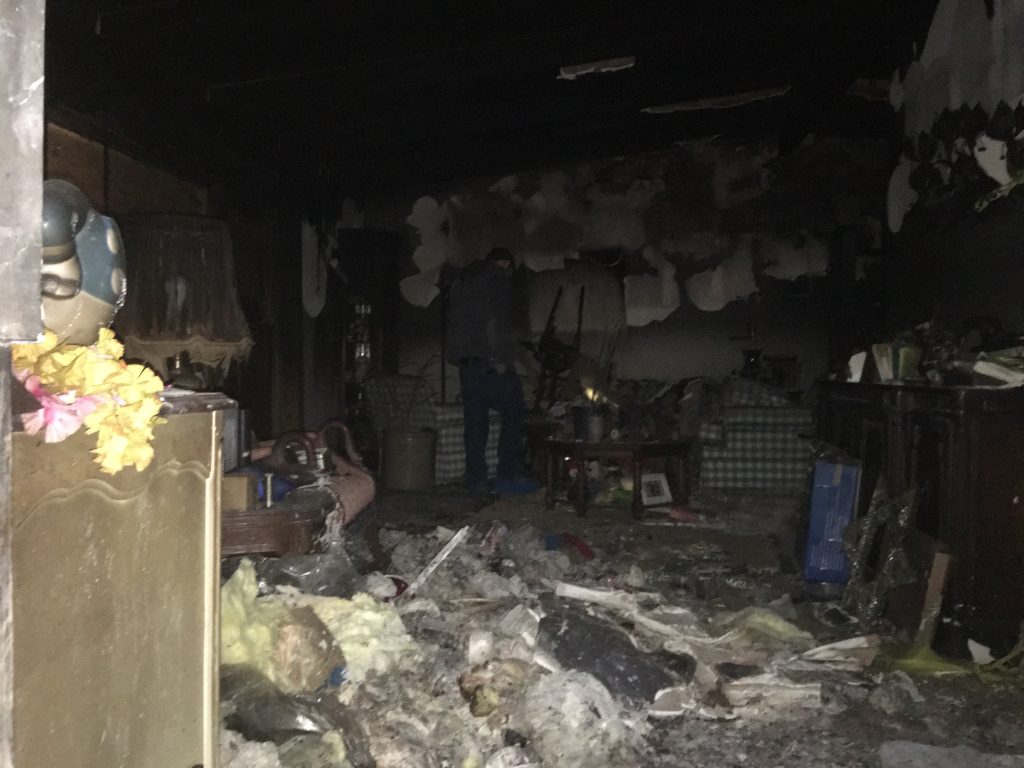
Fire restoration damage can turn a normal day into a stressful situation in minutes. The fire may be out, but the damage continues if it is not handled the right way.
Fire restoration damage includes more than burned materials. Smoke spreads through the home. Soot settles into surfaces. Water from firefighting soaks deep into walls and floors. If left untreated, these issues get worse fast.
This guide explains what to do after fire damage, how the process works, and how to restore your home step by step.
What Is Fire Restoration Damage?
Fire restoration damage covers all the effects left behind after a fire.
This includes:
- Structural damage from flames
- Smoke residue in walls and ceilings
- Soot buildup on surfaces
- Water damage from hoses and sprinklers
Many homeowners focus only on what burned. The bigger issue is often what you cannot see.
That is why professional fire damage restoration is so important. It focuses on full recovery, not just surface cleanup.
What To Do After Fire Damage
Knowing what to do after fire damage helps you avoid delays and added costs.
1. Wait for Clearance
Only enter the property once it is declared safe.
2. Start Your Insurance Claim
Take photos and document all damage. This helps speed up approvals.
3. Secure the Property
Board up openings and protect the structure from further damage.
4. Bring in a Restoration Team
A team helps guide the process and handles communication with your insurance.
You can start with a fire damage restoration service to move things forward quickly.
Fire Damage Restoration Process Explained
The fire damage restoration process explained below shows how recovery moves from damage to rebuild.
Step 1. Inspection and Assessment
We walk through the entire property and review:
- Structural condition
- Smoke and soot spread
- Water damage levels
- Hidden issues behind walls
This step sets the scope of work and supports your insurance claim.
Step 2. Property Protection
We secure the home by sealing exposed areas.
This includes:
- Broken windows
- Roof openings
- Entry points
This step prevents further damage.
Step 3. Water Removal and Drying
Water must be removed quickly.
We use:
- Pumps and extractors
- Air movers
- Dehumidifiers
Drying prevents mold and structural problems. In many cases, this overlaps with flood damage restoration work.
Step 4. Smoke and Soot Cleanup
Soot sticks to almost everything. It can stain and damage surfaces if not removed properly.
We clean:
- Walls and ceilings
- Floors and surfaces
- Air ducts
This is a key part of any fire damage restoration plan.
Step 5. Odor Removal
Smoke odor can linger long after cleanup.
We use:
- Air filtration systems
- Odor neutralizing treatments
- Sealing methods
This removes the smell at its source.
Step 6. Repairs and Reconstruction
The final step is rebuilding.
This may include:
- Framing
- Drywall
- Flooring
- Full rebuilds
If the damage is severe, a fire reconstruction service restores the structure fully.
How To Restore Fire-Damaged Property
Understanding how to restore fire-damaged property helps you make better decisions.
Start With Structural Repairs
Safety comes first. Damaged framing and supports must be fixed before anything else.
Remove All Damaged Materials
Burned or soaked materials should not be reused.
Clean the Air System
Smoke travels through vents. Cleaning the system improves indoor air quality.
Use the Right Methods
Each surface needs a different approach. Using the wrong method can cause more damage.
Common Mistakes to Avoid
Avoid these common problems during fire restoration damage recovery:
Waiting Too Long
Damage spreads quickly if not handled.
Doing It Yourself
Without proper tools, cleanup can make things worse.
Missing Hidden Damage
Damage inside walls and ceilings often goes unnoticed.
Misunderstanding Insurance
Knowing your coverage helps avoid delays and unexpected costs.
Why Professional Fire Damage Restoration Matters
Fire restoration involves more than cleanup. It requires planning, coordination, and experience.
Professional fire damage restoration helps:
- Move the project faster
- Keep work organized
- Align estimates with insurance requirements
- Reduce delays
A strong team helps you move from damage to rebuild without confusion.
Turning Damage Into Opportunity
Many homeowners use this time to improve their space.
You can upgrade areas like:
- Kitchens
- Bathrooms
- Basements
Consider adding a kitchen remodeling service or bathroom remodeling service during the rebuild.
Safety Tips During Restoration
Keep safety in mind at all times:
- Avoid unstable areas
- Do not use electrical systems until checked
- Wear protective gear
- Stay out of restricted zones
Fire restoration damage often includes hidden risks.
How Long Does Fire Restoration Take?
The timeline depends on the level of fire restoration damage.
Small repairs may take weeks. Larger rebuilds can take several months.
Factors include:
- Damage severity
- Approval timelines
- Material availability
- Scope of work
Planning and fast approvals help reduce delays.
Cost Factors to Consider
Costs vary based on the situation.
Key factors include:
- Size of the home
- Level of structural damage
- Smoke and water impact
- Reconstruction needs
Insurance often covers much of the cost, but clear documentation is key.
Final Thoughts
Fire restoration damage can feel overwhelming, but the right steps make recovery manageable. Acting quickly, understanding the process, and working with a team that knows how to restore fire-damaged property will help you move forward with confidence. Fire restoration damage requires attention to detail, proper planning, and a clear path from cleanup to rebuild.
How We Can Help
At Orland Builders Inc., we handle fire restoration damage from start to finish. We work directly with your insurance company to get estimates approved and keep your project moving. Our team manages cleanup, repairs, and full rebuilds with a results-first approach. We focus on getting your home back in shape quickly and done right. Call us at (708) 645-9915 for a Free Quote today.